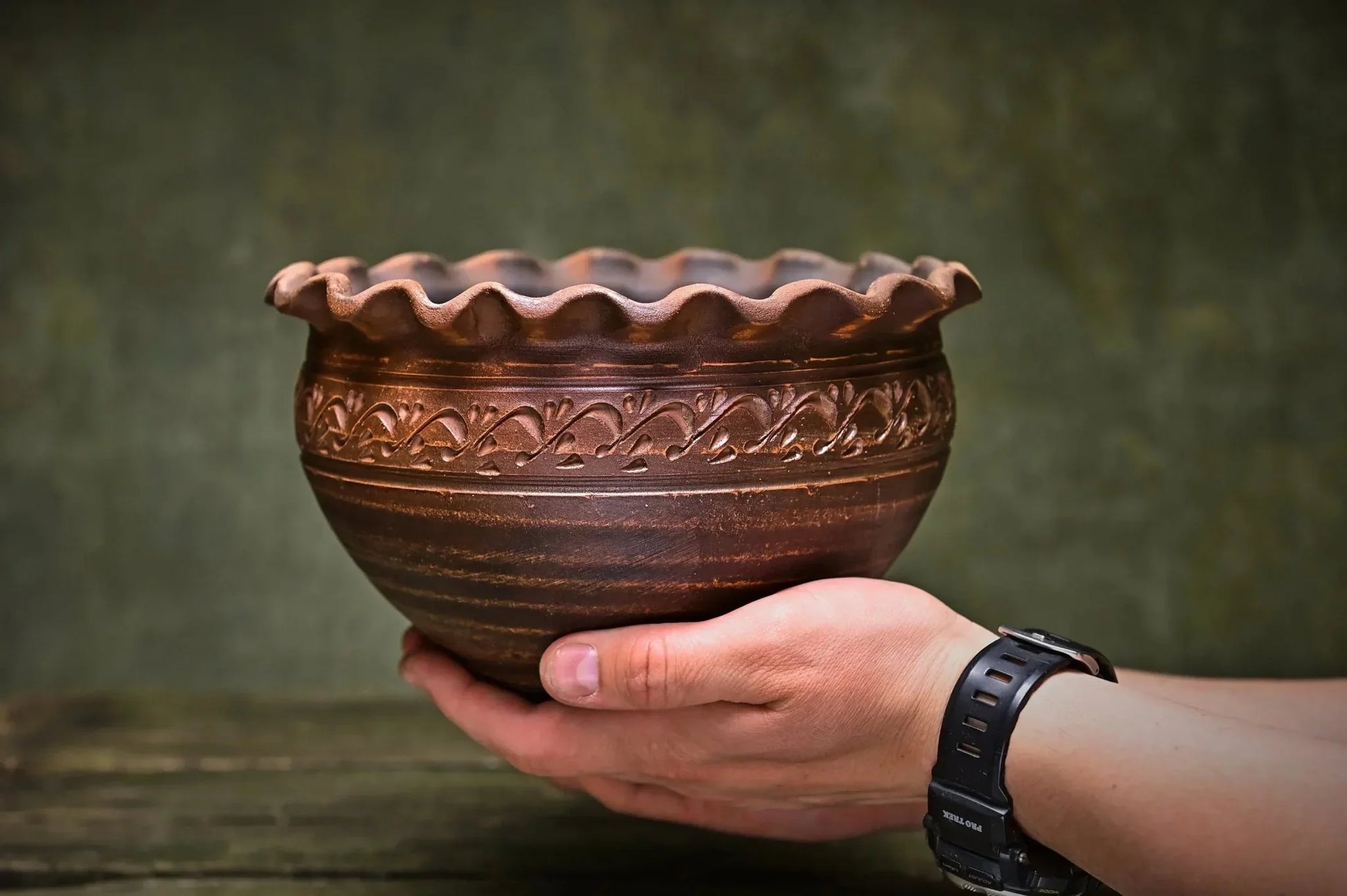
For centuries, pottery has been part of daily household traditions across rural communities. Artisans shaped clay not only for decoration but also for cooking, storing grain, and carrying water. Every family relied on handmade vessels, which made the craft an essential survival skill rather than a luxury art. Local soil determined color and texture, giving each region a recognizable identity. Over time, techniques passed from grandparents to grandchildren, forming a living heritage where creativity blended naturally with practical life and storytelling traditions.
The process begins with carefully selected clay taken from nearby land. Craftspeople wash, knead, and rest the material until it becomes smooth and workable. Water, sand, and patience play equal roles in preparation. The rhythm of hands pushing and folding the clay helps remove air bubbles and strengthen the body of each piece. This slow preparation is important because it decides durability after firing. Even today, many artisans prefer manual preparation rather than machines, believing the touch of human hands brings warmth and personality into every finished object.
Potters typically use a spinning wheel powered by foot or simple mechanical motion. As the wheel turns, steady hands guide the clay upward, forming bowls, plates, or jars. The shaping stage requires deep concentration because a slight imbalance may collapse the structure. After shaping, pieces dry naturally before decoration. Tools are minimal, often simple wooden sticks or carved bones. What matters most is experience and sensitivity to moisture levels. Each vessel carries subtle variations, reminding us that handmade work celebrates uniqueness instead of identical repetition.
The beauty of ukrainian pottery lies in its painted symbols and gentle curves. Artists often add floral patterns, sun motifs, or flowing lines representing harmony between people and nature. Colors come from mineral pigments mixed by hand, creating warm yellows, earthy reds, and deep greens. Decoration is never random; it reflects celebrations, harvest seasons, and family blessings. When a household displayed decorated ceramics, it showed pride, hospitality, and identity. These objects were gifts during weddings and holidays, turning everyday items into emotional treasures.
Today, handmade ceramics easily blend into modern interiors. Designers appreciate the warmth they bring to minimal spaces filled with metal or glass. A single handmade plate on a shelf can soften a room more than expensive décor. Many people also enjoy using traditional vessels for serving meals because they make gatherings feel more personal. Instead of being stored in cabinets, these items return to active life. This renewed interest keeps the craft alive while connecting younger generations with handmade artistry in a practical way.
Proper care ensures long life for handcrafted pottery. Gentle washing with warm water protects surface painting and glaze. Sudden temperature changes should be avoided because clay expands and contracts naturally. Drying pieces in open air instead of tight cupboards prevents trapped moisture. Small scratches are normal and often enhance character rather than damage beauty. When treated respectfully, handmade pottery lasts decades and sometimes becomes a family heirloom passed across generations, carrying memories along with physical form.
Traditional ceramics remain meaningful because they combine art, memory, and usefulness. Supporting handmade crafts helps preserve knowledge that cannot be replaced by factories. Every purchase encourages artisans to continue teaching younger learners and sustaining cultural heritage. Collectors often seek authentic handmade items for both beauty and emotional connection. Those who appreciate genuine craftsmanship can explore carefully curated selections from Clay products shop, where timeless designs keep the spirit of heritage alive while fitting comfortably into everyday modern living.